Study Abroad · Manuel Antonio, Costa Rica
Pre-Vet Study Abroad in Costa Rica
A two-week wildlife veterinary program at KSTR Wildlife Rescue in Manuel Antonio. Real clinical experience, deep in the rainforest.
Dive into Costa Rica’s wildlife and have a glimpse of the day-to-day that awaits in your professional life.
Wildlife Veterinary Medicine in Conservation
-

Hands-On Wildlife Care
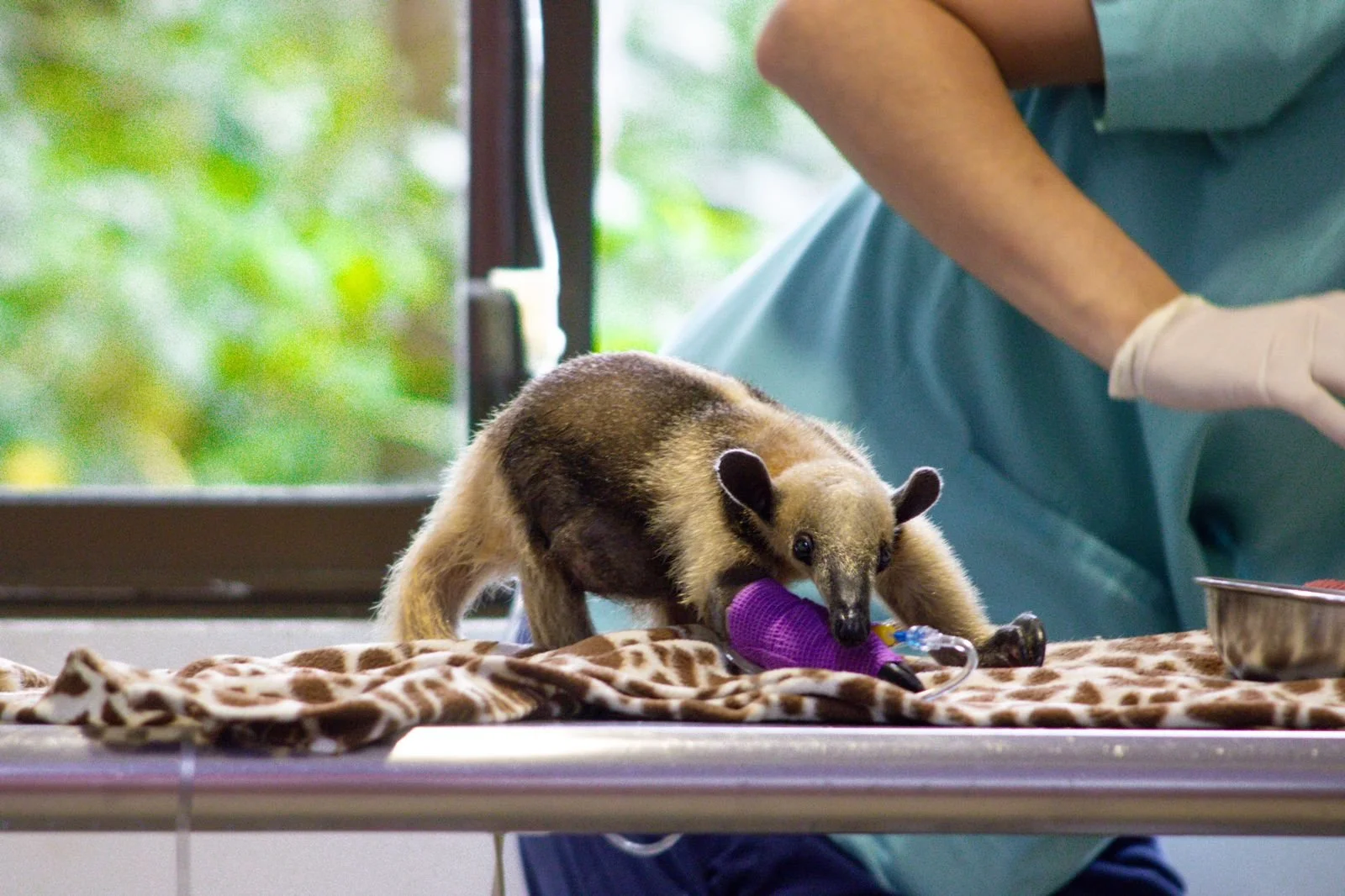
Join wet labs and diagnostics, observe and support surgeries, and learn wildlife capture and handling. Get a real look at wildlife rescue, rehabilitation, and release, not just the theory.
-

Wildlife Veterinary Medicine in Conservation
If you are interested in veterinary, this is a great way to work face-to-face with Costa Rica’s wildlife. This course will give you insights on wildlife rescue, clinical skills, wildlife rehabilitation/release and wildlife care/management in captivity with conservation goals.
-

Conservation and Community
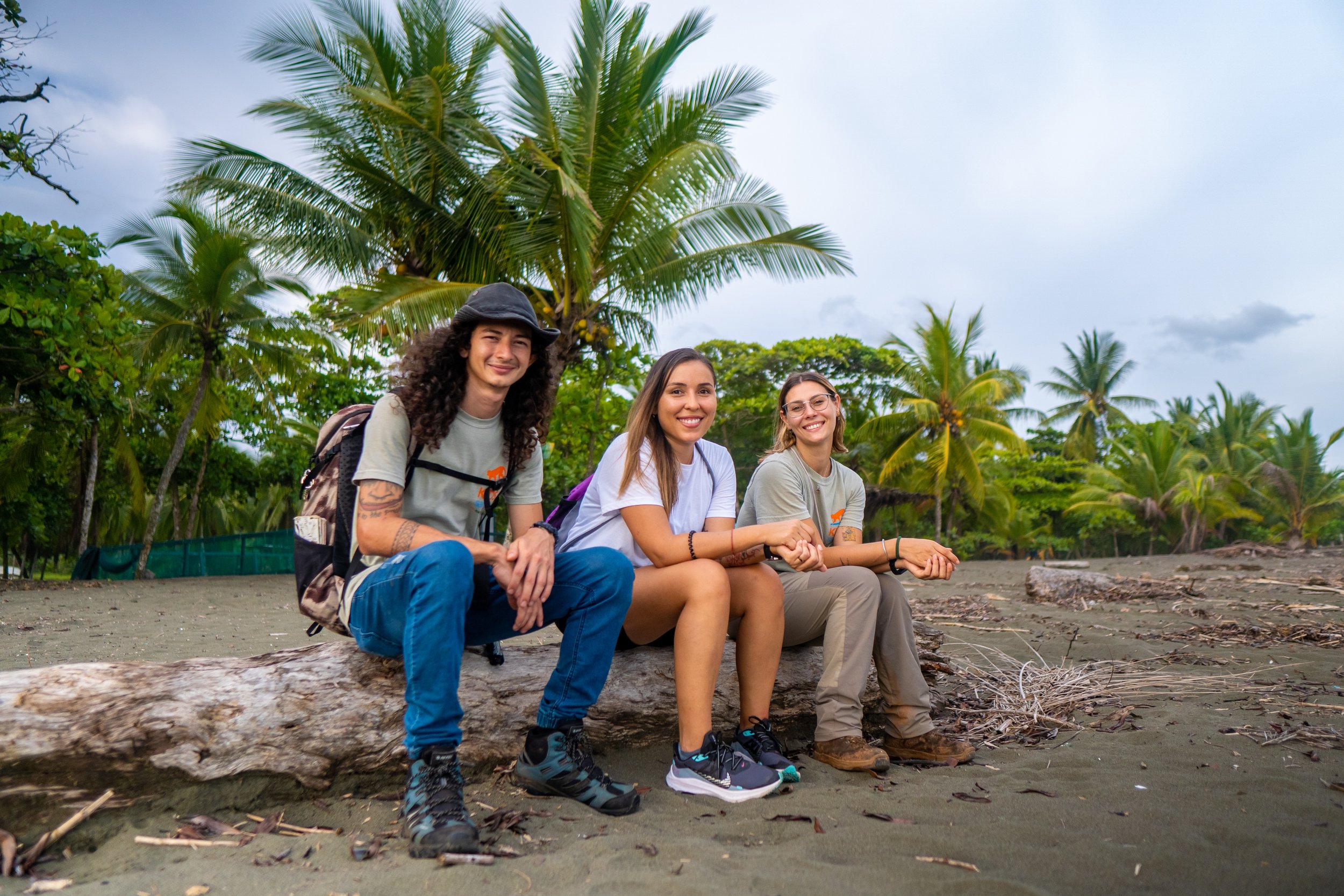
Take part in conservation fieldwork like sea turtle patrols and wildlife bridge monitoring, and explore Costa Rica on program excursions. You join the KSTR team for two weeks in Manuel Antonio, in small groups of 4 to 8 students.
Program at a Glance
-
Wildlife Veterinary Medicine in Conservation
A Pre-Veterinary Study Abroad Experience -
KSTR Wildlife Rescue, Manuel Antonio, Costa Rica
Immerse yourself in the world of wildlife veterinary medicine at a working wildlife rescue center in the heart of Costa Rica’s tropical rainforest. Learn alongside experienced veterinary professionals, gain insight into the medical care and rehabilitation of rescued wildlife, and explore the connection between veterinary medicine, conservation, and animal welfare. -
2-Week Program
Wildlife Veterinary Medicine in Conservation
An immersive introduction to wildlife veterinary medicine at KSTR Wildlife Rescue in Manuel Antonio, Costa Rica. Learn alongside veterinary professionals through clinical observations, workshops, case studies, wet labs, and conservation activities.
4-Week Program
Wildlife Veterinary Medicine in Conservation: Extended Immersion
A deeper dive into wildlife medicine, offering more time to explore clinical cases, observe rehabilitation, participate in educational workshops, and understand the role of veterinary care in conservation.
-
You work alongside practicing wildlife veterinarians on real cases in a working rescue and rehabilitation center. One day it might be a macaw. The next, a monkey, a sloth, or a patient you did not expect to meet when you woke up that morning.
Assist with physical exams, wound care, and patient rounds
Join wet labs and diagnostics
Observe and support surgeries
Learn wildlife capture and handling
Take part in conservation fieldwork, like sea turtle patrols and wildlife bridge monitoring
Explore Costa Rica on program excursions
-
Item description
-
Established in 1999, KSTR Wildlife Rescue is a US 501(c)(3) nonprofit in Costa Rica, rescuing and caring for over 300 animals each year through wildlife rehabilitation, veterinary care, and conservation.

How does the pre-vet program work?
Upcoming Sessions
-
February Session
February 10–25, 2027
Spend two weeks exploring wildlife veterinary medicine through clinical workshops, patient rounds, wet labs, and conservation fieldwork.
Duration: 2 weeks
Tuition: $4,200
Group Size: 4–8 students
Includes: Accommodation, three daily meals, airport transfers, instruction, and field trips
-
March–April Session
March 22–April 4, 2027
Discover the connection between veterinary care and conservation while learning alongside professionals at a working wildlife rescue and rehabilitation center.
Duration: 2 weeks
Tuition: $4,200
Group Size: 4–8 students
Includes: Accommodation, three daily meals, airport transfers, instruction, and field trips
-
June Session
June 7–20, 2027
Build your understanding of wildlife medicine through clinical learning, species-specific care, and conservation activities in Costa Rica's tropical rainforest.
Duration: 2 weeks
Tuition: $4,200
Group Size: 4–8 students
Includes: Accommodation, three daily meals, airport transfers, instruction, and field trips
Frequently Asked Questions
-
Yes. It is a two or four week study abroad experience in Costa Rica built for pre-vet students and anyone exploring wildlife medicine.
-
Please disclose Herpes Simplex Virus status. An active cold sore means no primate work, because the virus can be fatal to them.
-
Pre-vet students and anyone exploring wildlife medicine.
-
Ask during your interview and we will walk you through the options.
-
Proof of tetanus vaccination, proof of international medical and travel insurance, and your flight itinerary.